
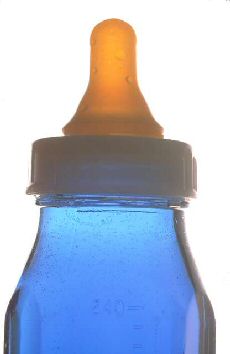
Researchers from the University of Cincinnati have discovered that polycarbonate plastic bottles, when exposed to hot liquids, release potentially hazardous amounts of the hormonal disruptor Bisphenol A (BPA). Cincinnati’s Scott Belcher found that when new and used polycarbonate drinking bottles were exposed to boiling hot water, BPA was released 55 times more rapidly than before exposure to hot water. Somewhat alarmingly, bottles used for up to nine years released the same amount of BPA as new bottles.
The study, appearing in Toxicology Letters, explains that BPA is an endocrine disruptor, altering the function of the hormonal system by mimicking the role of the body’s natural hormones. It is widely used in products such as reusable water bottles, food can linings, water pipes and dental sealants.
“There is a large body of scientific evidence demonstrating the harmful effects of very small amounts of BPA in laboratory and animal studies, but little clinical evidence related to humans,” said Belcher. “There is a very strong suspicion in the scientific community, however, that this chemical has harmful effects on humans.”
Belcher’s team analyzed used polycarbonate water bottles from a local climbing gym and purchased new bottles of the same brand from an outdoor retail supplier. All bottles were subjected to seven days of testing designed to simulate normal usage during backpacking, mountaineering and other outdoor adventure activities.
The researchers found that the amount of BPA released from new and used polycarbonate drinking bottles was the same – both in quantity and speed of release – into cool or temperate water. However, drastically higher levels of BPA were released once the bottles were briefly exposed to boiling water. “Compared to the rate of release from the same bottle, the speed of release was 15 to 55 times faster,” noted Belcher.
Belcher stresses that it is still unclear what level of BPA is harmful to humans. “BPA is just one of many estrogen-like chemicals people are exposed to, and scientists are still trying to figure out how these endocrine disruptors – including natural phyto-estrogens from soy which are often considered healthy – collectively impact human health,” he says. “But a growing body of scientific evidence suggests it might be at the cost of your health.”
Related:
California Mulls Estrogen-Plastic Ban
Source: University of Cincinnati
Related posts:
 Adult testicular function affected by exposure in womb to BPA
 Plastic chemical BPA found to induce epigenetic changes
 Plastics workers risk impotence, ejaculation difficulties
 BPA found to have “dramatic” effect on adult hormone levels
 BPA exposure during pregnancy alters offspring’s DNA
 California Mulls Estrogen-Plastic Ban






Comments are closed.