
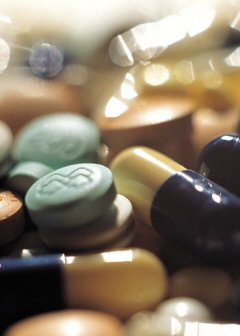
Society’s anti-bacterial crusade makes children and adults more likely to develop asthma and allergies – and perhaps even mental illnesses, says Dr. Gerald Callahan, an immunologist from Colorado State University. Callahan argues that all living things on Earth must have infections to thrive, and people’s love affair with anti-bacterial products is changing how immune systems, gastrointestinal systems and even nervous systems develop and function.
“We need our bacteria,” Callahan stressed, pointing out that sheltering a child from bacterial infections increases his or her chances of developing asthma and allergies. Interestingly, recent studies show that the more educated parents are, the more likely their children are to develop asthma and allergies possibly because these parents are more likely to worry about bacterial infections.
Humans have 10 times more bacterial cells in their bodies than human cells. Without bacteria, there would not be humans. Human life depends on certain infections. “Before we knew the important role that infections play, we knew about things like rabies and polio and yellow fever,” Callahan explained. “Because of that, when Fleming finally introduced penicillin in 1945, we went crazy with joy and began to slather everything with antibiotics, especially ourselves. Now we are paying our dues for that overreaction.”
Callahan points out that there are more bacteria by far in this world than any other living thing. “We are a minority on this planet, and we must learn how to work with the majority,” he said.
Related articles:
Boffin Ponders Cultural Manipulation By Cat Parasite
Prevalence Of Antibiotic Resistance Surprises
Antibiotics Absorbed By Vegetables
Probiotics Touted As New Weapon Against Hospital Bugs
Do We Really Understand Gene Transfer?
Horizontal Gene Transfer Vastly Underestimated, Suggests New Study









Comments are closed.