
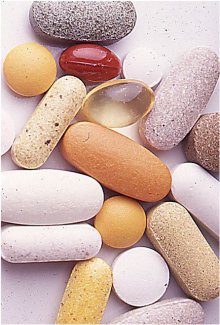
A new study, appearing in the British Journal of Clinical Pharmacology, found that 60 percent of Scottish doctors prescribe homeopathic or herbal remedies for their patients, with many scripts being written for babies and children under 16. The surprisingly high figure has caused concern in the UK’s National Health Service, which has called for a critical review of homeopathic and herbal prescribing.
- Four percent of patients prescribed a herbal remedy were, at the same time, prescribed conventional medication that has been documented to interact with herbal treatments.
- Children under 12 months were most likely to be prescribed a homeopathic or herbal remedy (9.5 per 1,000 children in that age group), followed by adults aged 81-90 (4.5 per 1,000). Sixteen percent of homeopathic prescribing was to children under 16.
- Forty-nine percent of practices prescribed a total of 193 different homeopathic remedies and 32 percent prescribed 17 different herbal remedies.
- The top five prescribed homeopathic remedies were Arnica montana (for injury, bruising), Rhus toxicodendron (joint symptoms, headache), Cuprum metallicum(cramp, poor circulation), Pulsatilla (PMT, menopausal symptoms, breast feeding problems) and Sepia (PMT, menopausal symptoms, fatigue).
- The top five prescribed herbal remedies were: Gentian (poor appetite, digestive problems), Cranberry (urinary tract infection), Digestodoron (indigestion, heartburn, constipation), Evening primrose (PMT) and Laxadoron (constipation).
“This level of prescribing raises important questions about homeopathic and herbal provision in the UK’s National Health Service,” said study co-author Dr James McLay, of the University of Aberdeen. He cited the absence of any clinical evidence for the effectiveness of homeopathy as a significant problem. “Given the rise of evidence-based medicine and the trend toward prescribing guidance in the UK, should therapies with no convincing positive clinical trial evidence be prescribed and funded by the health service?”
The large number of alternative prescriptions written for children and babies underscores the need for a critical review of the trend, adds McLay. “We hope that this paper will further inform the debate, as it provides clear evidence on prescribing patterns within the NHS [National Health Service] and raises a number of important issues, particularly about prescribing homeopathic and herbal remedies to children,” he concluded.






Comments are closed.