
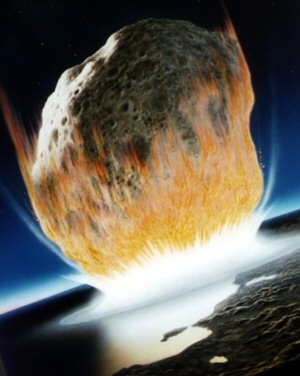
While the Permian-Triassic extinction event wiped out an estimated 95 percent of marine species, it also laid the foundation for the explosive growth in complex marine organisms and ecosystems.
US and Australian researchers say that the end-Permian event that occurred 250 million years ago triggered an abrupt shift to the current dominance of higher-metabolism, mobile organisms (such as snails, clams and crabs) that actually go out and find their own food, and the decreased diversity of older groups of low-metabolism, stationary organisms (such as lamp shells and sea lilies) that filter nutrients from the water.
The new research was enabled by the Paleobiology Database, a huge repository of fossil occurrence data. The result is the first broad objective measurement of changes in the complexity of marine ecology over the Phanerozoic (the 500 million year period since diverse hard-shelled animals first appeared).
“We were able to combine a huge data set with new quantitative analyses,” says The Field Museum’s Peter J. Wagner, lead author of the study. “We think these are the first analyses of this type at this large scale. They show that the end-Permian mass extinction permanently altered not just taxonomic diversity but also the prevailing marine ecosystem structure.”
The ecological implications of the new findings are striking. Simple marine ecosystems suggest that bottom-dwelling organisms partitioned their resources similarly. Complex marine ecosystems suggest that interactions among different species, as well as a greater variety of ways of life, affected abundance distributions. Prior to the end-Permian mass extinction, both types of marine ecosystems (complex and simple) were equally common. After the mass extinction, however, the complex communities outnumbered the simple communities nearly 3 to 1.
“[The findings] show us that there was not an inexorable trend towards modern ecosystems,” Wagner explained. “If not for this one enormous extinction event at the end of the Permian, then marine ecosystems today might still be like they were 250 million years ago.” Wagner thinks the results may also be a warning. “Studies by modern marine ecologists suggest that humans are reducing certain marine ecosystems to something reminiscent of 550 million years ago, prior to the explosion of animal diversity. The asteroid that wiped out the dinosaurs couldn’t manage that.”
Related Articles:
Change To Ecosystems Courts Disaster
Smoking Gun For Permian-Triassic Extinction Found















Comments are closed.